THE PHONE Teamwork Tips for 18-Player Lobbies
Turn a noisy THE PHONE party into a crew that answers, listens, and resets without tilting.
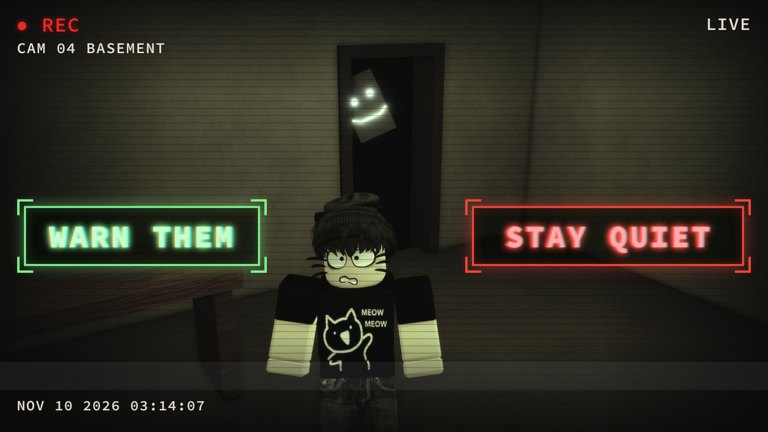
THE PHONE is won by teams, not lone protagonists. Zynapse Studio’s Roblox survival horror party design puts as many as eighteen players into the same moral crisis every time the phone rings. This guide gives practical teamwork structures you can deploy tonight—roles, callout scripts, voice rules, and conflict brakes—so twisted challenges fail less often and hurt less socially when they do.
Read Getting Started if the fantasy is still fuzzy, and keep How to Survive Calls nearby for mechanical habits. This page is the social operating system those guides plug into.
The 18-player problem
In a five-stack FPS, everyone can talk. In an eighteen-player THE PHONE lobby, unrestricted voice is static. Good teamwork deliberately reduces who speaks during critical seconds. Your goal is not equal airtime mid-challenge; it is equal clarity.
Population reality: THE PHONE’s strong visit and concurrent counts mean public Hellfire rooms are rarely intimate. Bring a core stack of four to eight friends even if the server caps higher. That core becomes the nervous system; randoms can still help if your callouts are audible and polite.
Role chart you can copy
| Role | Count | Duties | Who should take it |
|---|---|---|---|
| Primary answerer | 1 | Commits on ring | Calm, reliable Interact timing |
| Backup answerer | 1 | Takes over on freeze/DC | Second calmest |
| Shotcaller | 1 | Issues 3–5 word orders | Least tilt-prone |
| Spotters | 2 | Watch hazards, stragglers | Good camera awareness |
| Path clearers | 2 | Manage collisions near objectives | Patient movers |
| Morale lead | 1 | Post-wipe reset lines | Funny without being cruel |
| Flex | Rest | Follow orders, fill gaps | Everyone else |
Announce roles in lobby chat once. Re-announce after people join mid-session. During Hellfire Event influxes, expect to re-brief often.
Callout language (steal these)
- “Ring—I’ve got it.”
- “Backup ready.”
- “Hold. Listen.”
- “Left path clear.”
- “Stop stacking.”
- “Reset—no blame.”
Ban monologues. If you need more than five words, it probably waits until lobby. Mobile players without mics should get a text version of the same phrases; see Controls for chat timing advice.
Voice discipline rules
- Shotcaller speaks first during twists.
- Spotters speak only with new info.
- Everyone else mutes unless acknowledging a direct order.
- After fail, ten seconds of silence before analysis.
- Clips and jokes happen in lobby, not on the phone pad.
Push-to-talk helps. If someone refuses discipline, your stack can still follow the rules internally and treat the noisy player as environmental hazard—like bad lighting.
Conflict control
Blame is the true final boss. Instant-blame challenge vibes ranked on Call Challenges will test friendships. Use a script: “System fix next—backup answerer rotates.” Name systems, not people. If harassment continues, mute and, if needed, leave. No clear is worth a ruined night.
Creators should disclose when they are intentionally causing chaos for content and should prefer private servers for that style so public learners are not collateral.
Stack sizes and strategies
Duo–trio: Best classroom. Practice answer timing and audio reads. Six–eight: Ideal Hellfire core inside a larger server. Full fourteen–eighteen randoms: Rely on short text + one brave shotcaller; expect variance.
Never assume randoms read this wiki. Model the behavior: commit to answer, call “Hold,” thank good plays. Culture spreads faster than lectures.
Pre-ring teamwork checklist
- Roles named
- Codes redeemed earlier via Codes Hub
- Headphones on
- Emote spam paused
- Recorders not blocking interact space
- Agreement on chill versus high-pressure goals using Tier List Hub language
Mid-challenge teamwork checklist
- Follow shotcaller even if you disagree for three seconds
- Repeat a missed order once, not five times
- Path clearers create lanes instead of debating theory
- Answerer focuses on prompts; others protect information flow
Post-challenge teamwork checklist
- Celebrate a specific good action
- Name one fix only
- Rotate answerer if burnout shows
- Check Updates Hub only between rounds, not mid-panic
What teamwork is not
Teamwork is not covering for someone using risky admin command menus that spoil the fantasy and invite bans. Teamwork is not forcing the newest player to answer every Hellfire ring for laughs. Teamwork is shared agency with consent.
Drill night agenda (45 minutes)
- Ten minutes role assignment and Controls Interact practice.
- Fifteen minutes private lobby callouts only.
- Fifteen minutes public or Hellfire pressure test.
- Five minutes debrief with tier labels from Call Challenges.
Related pages
Eighteen players will always be messy. Structured mess beats hopeful chaos. Pick roles, shorten sentences, protect morale—and when the phone rings, let your system answer with you.
Frequently Asked Questions
Quick answers to the most common questions.
How many friends do I need for good THE PHONE teamwork?
A core of four to eight organized players can stabilize an 18-player server. Duos still help for learning before you scale up.
Who should be the shotcaller?
The calmest clear communicator—not necessarily the best horror veteran. Rotate if they start tilting.
What if random teammates ignore our roles?
Keep using short callouts anyway. Many randoms follow confident structure even if they never acknowledge it in chat.
How do we stop blame after a wipe?
Enforce ten seconds of silence, then name one system fix. Mute harassment and requeue if needed.
Should answerer and shotcaller be the same person?
Usually no. Answering needs focus on prompts; shotcalling needs eyes on the whole lobby. Split the jobs when you can.